
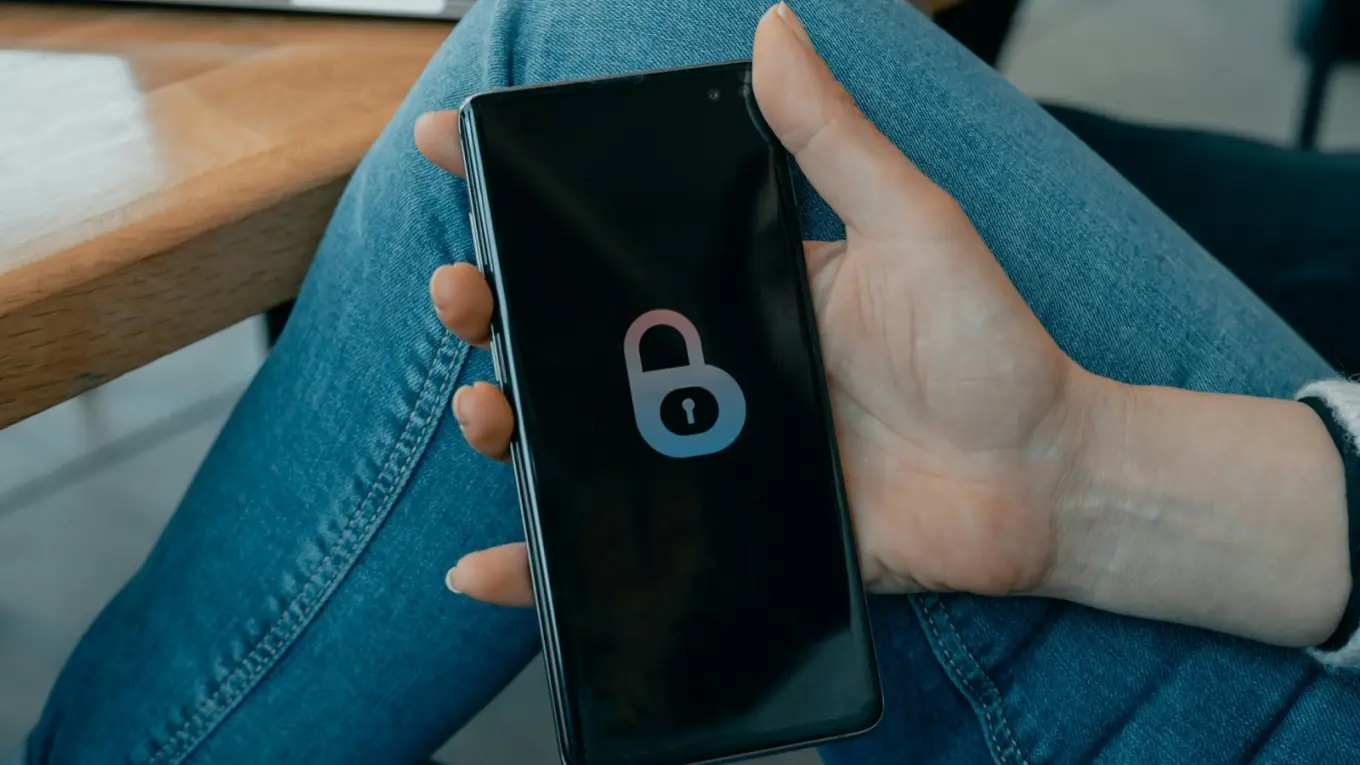
Yes, a digital loyalty program can be safe, and in some ways safer than a paper card. What matters is how little personal data the program collects and how carefully it handles what it does collect.
This matters to your customers and, increasingly, to the law. This is a plain explanation of what a responsible loyalty program does, so you can run one that builds trust instead of eroding it.
What data does a loyalty program collect?
Less than most people assume. A well-designed loyalty program needs almost nothing personal to work. It tracks a card, its balance and the transactions that change that balance. That is the core of it.
With Stallmark, each shop decides whether to ask for an email. When it doesn't, customers join, earn and redeem without sharing any personal details. The program works on the card, not on a profile, which is also why customers can join without an app or an account.
Why "no personal data in the QR code" matters
The QR code on a customer's card is the part that gets scanned in public, so it is the part most worth protecting. On a well-built program it contains no personal information at all. It is a private, signed identifier that only your system can make sense of, not a name, not an email, not a phone number.
That means if someone photographs a customer's card, they learn nothing about that person. Compare that with a paper card that often has a name written on it in pen.
Consent, done properly
Privacy law around the world, including rules like GDPR, comes back to the same idea: collect only what you need, and only with clear permission. A responsible program is built the same way.
- Customers only give an email if the shop asks for one.
- When a shop does ask, the join page says what the email is for before the customer continues.
- Customers who joined with an email can recover a lost card, and anyone can ask for their data to be deleted.
The principle is simple. Loyalty should be something a customer opts into with open eyes, not a data grab.
Your customer data stays yours
A loyalty program should never be a side channel that sells your customers' information. On a privacy-first platform like Stallmark, each business controls its own program and its own data. That data is not sold, and it is not shared for advertising.
When you do need your data, for example to understand your regulars, exports are limited to customers who agreed to hear from you, the consent state travels with the record and the action is logged. You get what you are entitled to, nothing more, and there is a record of it.
A quick privacy checklist
Before you trust any loyalty tool with your customers, ask:
- What personal data does it require, and can customers join without giving any?
- Is there any personal information in the QR code or card?
- Is it clear to customers what their email will be used for?
- Can a customer have their data deleted?
- Is my customer data ever sold or shared for advertising?
- Can I export my own data, and is that access controlled and logged?
A tool that answers these well is one you can put your name behind. You can read how we handle these in our privacy policy.
Common questions
Is a digital loyalty card safe for customers? Yes, when it is built privacy first. The card can work without collecting personal details, and the scannable code holds no personal information, only a signed private identifier.
Do customers have to give their email or phone number? Not usually. Each shop chooses whether to ask for an email, and Stallmark never asks for a phone number.
Is a loyalty program GDPR compliant? Regulations like GDPR are about collecting only what you need, with clear consent and giving people control. A privacy-first program is designed around those same principles: minimal data, clear notice when an email is asked for and no selling of customer information. For your specific legal obligations, check the rules that apply where you operate.
Could someone steal customer data by scanning a card? No. The QR code carries no personal information. Photographing a customer's card reveals nothing about who they are.
Do you sell customer data? No. Each business controls its own program, and customer data is not sold or shared for advertising.
Get Stallmark. Try it free for 7 days, then decide. No commitment, cancel anytime.